Quick take:
• Professional roof damage repair follows a set sequence: inspection, damage assessment, written estimate, repair, and final walkthrough.
• Most residential repairs for missing shingles, flashing issues, or storm damage can be completed in a single day once materials are on site.
• Florida’s storm patterns make timely roof damage repair in Winter Haven, FL a practical priority rather than a cosmetic one.
A professional roof damage repair typically involves a site inspection, a written damage assessment, a repair plan with materials and cost, the actual repair work, and a final check to confirm the roof is watertight. Homeowners searching for this service are usually reacting to a visible problem, such as a leak, missing shingles, or storm debris, and want to know what happens between the first phone call and the finished job.
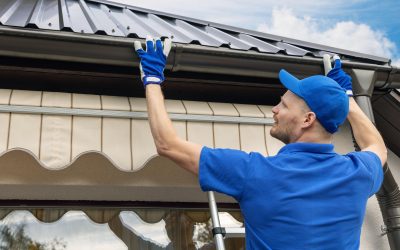
Identifying roofing problems begins with finding the source of the issue rather than simply repairing visible damage. A roofing contractor inspects the roof, checks the attic for moisture, and documents any concerns with photos before starting repairs. This process is important because water can travel along rafters before appearing as a ceiling stain, meaning the source of a leak may be far from the visible damage. Learn more about Merritt Roofing and Construction Inc. to understand available roofing services and solutions.
How the Inspection and Assessment Process Works
A thorough inspection separates cosmetic wear from structural problems that require immediate attention. Roofing crews typically check three areas during an assessment:
• Exterior surface : missing, cracked, or curling shingles, displaced tiles, or dented metal panels
• Flashing and penetrations : seals around chimneys, vents, and skylights where leaks commonly start
• Interior and attic : water stains, damp insulation, or daylight visible through the roof deck
This inspection order follows general guidance from building and roofing trade practice. According to the This Old House roofing guide, inspecting a roof from the ground with binoculars helps homeowners spot damaged shingles and flashing issues without the risk of climbing onto a potentially unstable surface.
What Happens During the Actual Repair
Once damage is confirmed, the repair itself follows a fairly consistent sequence regardless of roof type.
1. Securing the area – tarping or temporary covering if the roof is actively leaking or materials are missing
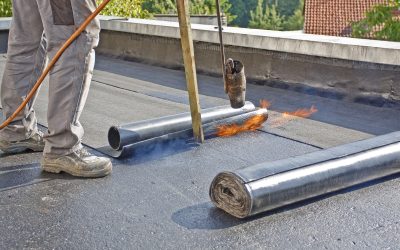
2. Removing damaged material – old shingles, broken tiles, or compromised flashing are stripped from the affected section
3. Replacing underlayment if needed – exposed or soaked underlayment is replaced to restore the moisture barrier
4. Installing new materials – matching shingles, metal panels, or tiles are fastened according to manufacturer specifications
5. Sealing and finishing – flashing, vents, and seams are resealed to prevent repeat leaks
Storm season adds urgency to this process. NOAA’s National Hurricane Center seasonal outlook tracks named storms and hurricanes each Atlantic season, and central Florida properties remain exposed to wind-driven rain and debris impacts even in years with fewer storms overall.
Repair Scope Comparison
| Damage Type | Typical Repair Scope | Common Cause |
| Missing or lifted shingles | Spot replacement of affected shingles | Wind, aging materials |
| Flashing failure | Reseal or replace flashing around penetrations | Thermal movement, storm impact |
| Interior water stains | Locate and repair source, then address ceiling damage | Long-term leak, hidden entry point |
| Storm or hail impact | Full section assessment, possible partial re-roof | Hurricane, severe thunderstorm |
Why Local Conditions in Winter Haven, FL Matter
Homes in Winter Haven, FL face a combination of intense summer sun, heavy seasonal rainfall, and periodic tropical weather that accelerates shingle wear and flashing fatigue. A roof that looks intact from the driveway can still have granule loss, soft decking, or loosened fasteners that only a hands-on inspection reveals. Scheduling repairs before the rainy season peaks, rather than after a leak appears indoors, tends to limit the scope and cost of the work.
Frequently Asked Questions
How long does a typical roof damage repair take? Most single-section repairs, such as replacing a run of shingles or resealing flashing, are completed within a day once the contractor has assessed the damage and ordered matching materials. Larger storm-related repairs covering multiple roof planes may take longer depending on material availability.
Is a full roof replacement always necessary after storm damage? No. Many storm-related issues, including isolated shingle loss or flashing damage, can be repaired without replacing the entire roof, provided the underlying decking and structure remain sound.
Should I file an insurance claim before or after the repair? Documentation should happen before any repair work begins. Photographing the damage and obtaining a written contractor assessment first gives an insurance adjuster a clear record of the roof’s condition at the time of loss.
What should I check for immediately after a storm? Look from the ground for missing or lifted shingles, dented vents or flashing, and granules collecting in gutters, then check the attic and ceilings for water stains before scheduling a professional inspection.
Homeowners evaluating repair options can review verified customer feedback and service details through View Merritt Roofing Inc. on Google Maps before scheduling an inspection.